Travel journal › Guide
Masai Mara private conservancies vs the National reserve: which is better for a luxury safari?
Masai Mara conservancy or National Reserve? Compare crowds, night drives, walking safaris, fees and river crossings, and learn how to combine both.
For most travellers planning a private or luxury safari, a Masai Mara conservancy makes the better base. The conservancies are quieter, more exclusive and offer activities the Reserve does not allow, such as night drives and guided walks. The National Reserve, however, is where the famous Mara River crossings take place, so the best plan for many guests is to stay in a conservancy and spend a full day in the Reserve.
What is the difference?
The Masai Mara National Reserve is the protected area most people picture: wide open plains, the Mara River and the great herds of the migration. It is managed by the county government, and anyone with a park ticket can drive in.
The conservancies are large areas of Maasai-owned land on the Reserve's northern and eastern borders. The landowners lease their land to a small number of safari camps, and only guests of those camps can drive there. The wildlife moves freely between the conservancies and the Reserve, as there are no fences.
Well-known conservancies include Mara North, Olare Motorogi, Naboisho and Ol Kinyei.
Why choose a conservancy?
- Fewer vehicles. Each conservancy has a limited number of beds, so you see far fewer vehicles. Many conservancies also limit how many vehicles can stay at one sighting, often to five.
- Night drives. With a spotlight, you may see leopards, hyenas, genets and other animals that are active after dark. Night drives are not allowed in the Reserve.
- Guided walks. Walking with an experienced guide and a Maasai tracker is a very different way to experience the bush. Walking is not permitted in the Reserve.
- Off-road driving. Guides can leave the track, within the conservancy's rules, to get closer to a sighting. In the Reserve, vehicles must stay on marked tracks.
- Bush breakfasts and sundowners. Most conservancy camps can set up meals and drinks out in the wilderness.
- Direct support for local communities. Lease fees go straight to the Maasai families who own the land, which gives them a strong reason to protect the wildlife.
The trade-off is cost. Conservancy camps are usually smaller and more exclusive, so nightly rates are generally higher than lodges inside or near the Reserve.
Why choose the National Reserve?
- The Mara River crossings. The main crossing points of the Great Migration are inside the Reserve. Crossings usually happen from around July to October, although the timing varies from year to year.
- Huge open plains. The Reserve covers a large area of classic savannah, with excellent big cat sightings all year.
- More choice of lodges and budgets. There is a wider range of accommodation, from simple tented camps to luxury lodges, so it suits more budgets.
The Reserve can be busy, especially around river crossings in August and September, when many vehicles may gather at the same place.
What do the fees cost?
For non-resident adults, the National Reserve currently charges US$100 per day from January to June and US$200 per day from July to December. Children aged 9 to 17 pay US$50 per day, and children aged 8 and under enter free.
The conservancies charge their own daily fees, which are usually built into the camp rate. As a guide, non-resident adult conservancy fees are roughly US$80 to US$120 per day.
Fees can change, so we always confirm the current rates in your quote price.
The best of both: combine them
Because most conservancies border the Reserve, a day trip from your camp into the Reserve is usually a 30-minute to one-hour drive. A popular plan is:
- 2 to 3 nights in a conservancy for quiet game drives, a night drive and a guided walk.
- One full day in the Reserve, with a picnic lunch, to look for river crossings in season and enjoy the open plains.
This gives you the exclusivity of a conservancy and the iconic scenes of the Reserve, without changing camps.
Which is right for you?
- Choose a conservancy if you want a private, peaceful safari, activities like night drives and walking, and you are celebrating a honeymoon or special occasion.
- Choose the Reserve if your main goal is the river crossings, you are travelling on a tighter budget, or you prefer a larger lodge.
- Combine both if you want the best all-round experience. This is what we recommend for most first-time visitors.
Our luxury safaris already include conservancy stays or can be adapted to include them, such as the 3-Day Masai Mara Fly-in Luxury Safari, the 5-Day Masai Mara & Lake Nakuru Luxury Safari and the 6-Day Amboseli, Naivasha & Masai Mara Luxury Safari. You can read more about the area on our Masai Mara destination page.
Frequently asked questions
Can I see the Great Migration from a conservancy?
Yes. The herds spread into the conservancies between about July and October. However, the main river crossings take place in the Reserve, so we recommend a full day there if crossings are a priority.
Are conservancies good for families with children?
Yes. Many camps welcome children, and the quieter setting suits families well. Some camps have minimum ages for walks and night drives. Children's rates on our safaris: under 4 travel free, ages 4 to 7 pay 50%, ages 8 to 13 pay 70%, and 14 and over pay the adult price.
Is a conservancy safari much more expensive?
Conservancy camps are usually more expensive per night, but the extra activities, fewer crowds and included fees often make the difference worthwhile. We can show you both options side by side in your quote.
How many nights do I need?
We suggest at least three nights in the Masai Mara area, so you have time to enjoy both the conservancy and a full day in the Reserve.
Planning your Masai Mara safari? Ask us for a free quote, and our team will get back to you with a quote price and a suggested itinerary.
Safaris for this guide
 Kenya
Private luxury
6-Day Amboseli, Naivasha & Masai Mara Luxury Safari
Nairobi · Amboseli · Lake Naivasha · Masai Mara · Nairobi
Private4x4 Land Cruiser
Kenya's most requested circuit: elephants under Kilimanjaro, a boat ride among hippos and three nights in the Masai Mara.
From $4,570 pp
View safari Kenya
Private luxury
7-Day Wings over Kenya Fly-in Safari
Nairobi · Amboseli · Samburu · Masai Mara · Nairobi
PrivateFly-in
Three very different parks linked by short flights, so all your time is spent in the bush rather than on the road.
From $6,900 pp
View safari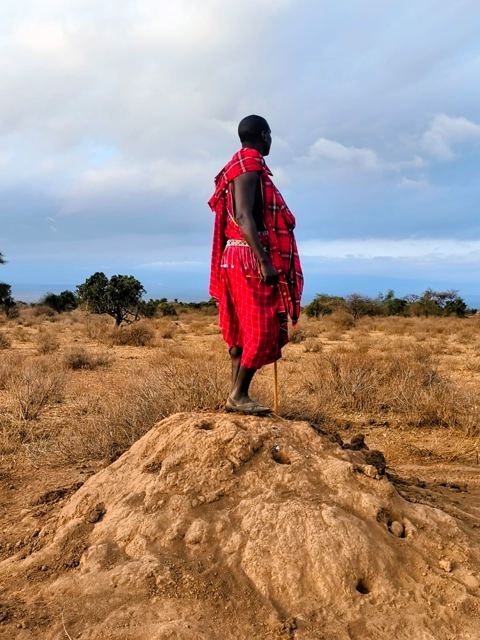 Kenya
Private midrange
5-Day Masai Mara & Amboseli Private Safari
Nairobi · Masai Mara · Amboseli · Nairobi
PrivateVan or Land Cruiser
Kenya's two most famous parks in your own private vehicle: big cats in the Masai Mara and elephants beneath Kilimanjaro in Amboseli. Price shown is for January to June. For July to December, and for solo travellers, please request a quote.
From $1,890 pp
View safari