What is the Great Migration?
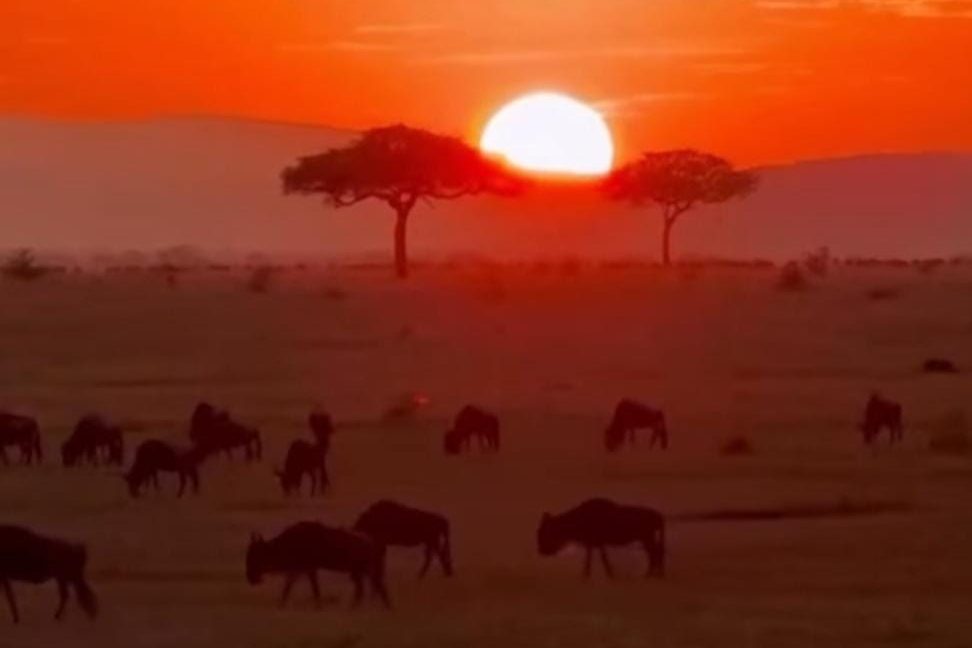
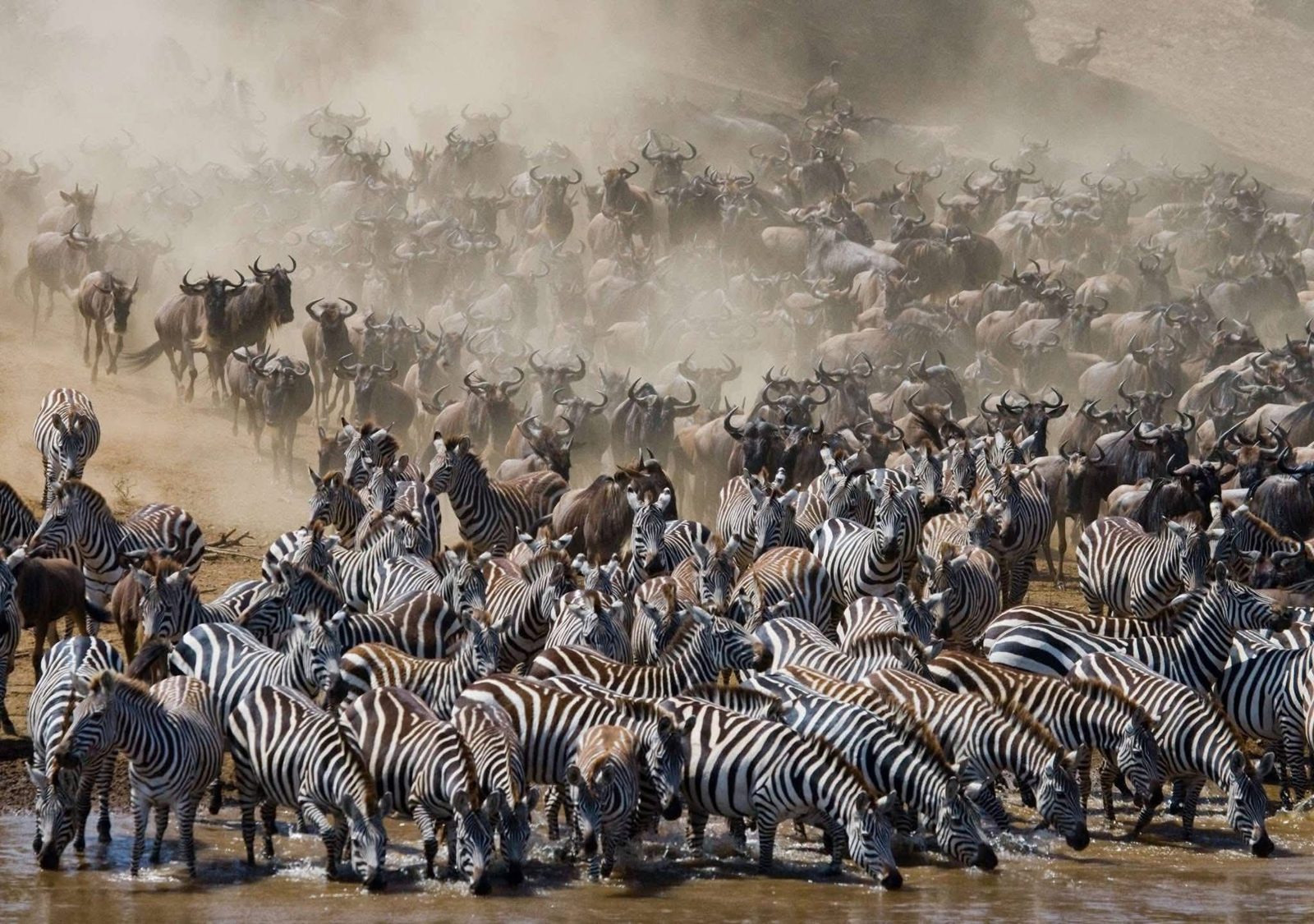
Every year, around 1.5 million wildebeest, joined by hundreds of thousands of zebras and gazelles, move in a great loop between Tanzania's Serengeti and Kenya's Masai Mara, following the rains and fresh grass. Lions, leopards, cheetahs, hyenas and crocodiles follow close behind. It is one of the greatest wildlife events on earth, and it is happening somewhere in the ecosystem every month of the year.
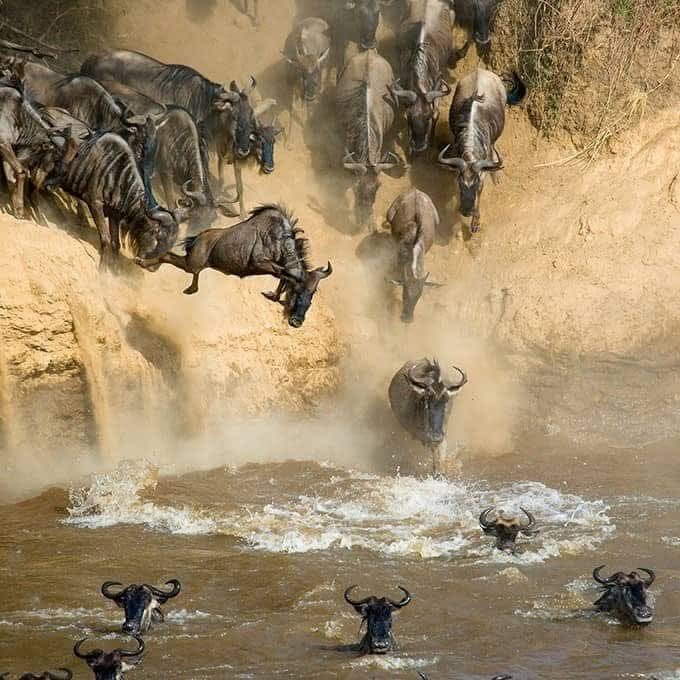
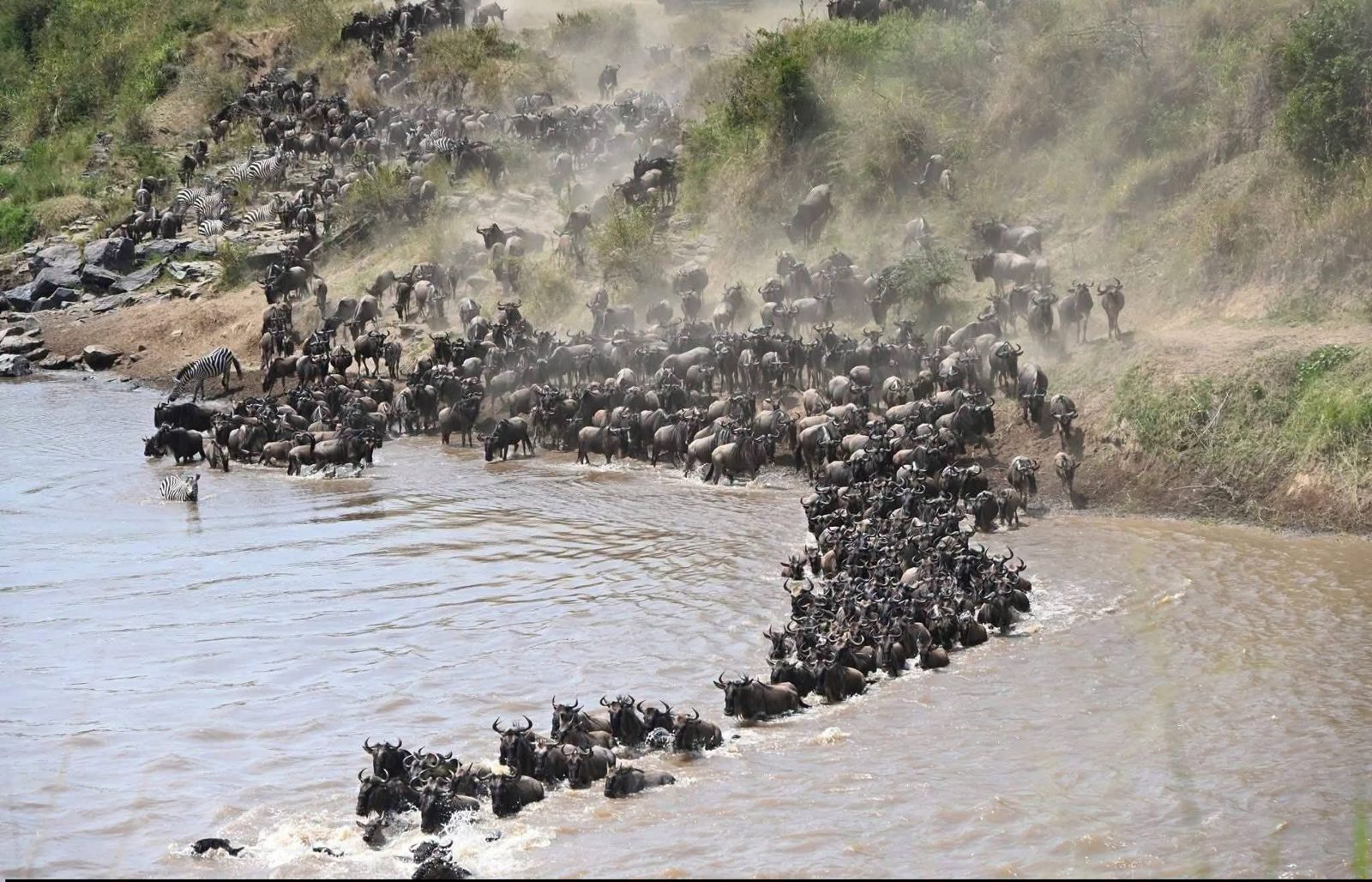
The most famous moment is the Mara River crossing, when thousands of animals plunge into the river while crocodiles wait below. The crossings usually take place from around July to October, which is why these months book up first.
Where are the herds? Month by month
The timing changes a little every year with the rains, but this is the usual pattern.
| Months | Where the herds usually are | What to expect |
|---|---|---|
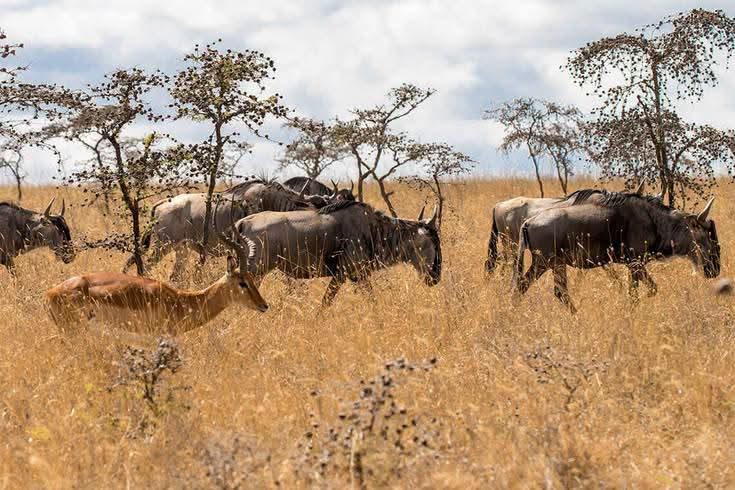
| January to March | Southern Serengeti and Ndutu, Tanzania | Calving season. Hundreds of thousands of calves are born, drawing big cats close. |
| April to May | Central Serengeti, Tanzania | Long rains. The herds start moving north. Fewer visitors and lower lodge rates. |
| June | Western Serengeti and the Grumeti River, Tanzania | The herds gather, with the first river crossings at the Grumeti. |
| July to October | Masai Mara, Kenya, and northern Serengeti, Tanzania | Peak season and the Mara River crossings. August and September are often the busiest. |
| November to December | Moving south through the Serengeti, Tanzania | Short rains. The herds head back towards the southern plains. |
How to see a Mara River crossing
- Allow enough time. Herds can gather at the river for hours, or days, before they cross. We recommend at least three full days in the crossing area.
- Stay close to the river. Camps near the river save hours of driving each day, so you are in position when the herds start to move.
- Take full-day game drives. With a picnic lunch, your guide can stay with a herd instead of returning to camp at midday.
- Trust an experienced guide. Our guides read the herds, keep a respectful distance and position the vehicle so you get a clear view without blocking the animals' path.
- Consider a conservancy. Staying in a private conservancy next to the Reserve gives you quieter game drives, with a full day in the Reserve for the crossings. Read our guide to Masai Mara conservancies vs the National Reserve.
Kenya or Tanzania?
Best from July to October. Easy to reach, about five to six hours by road or 45 minutes by air from Nairobi. Many crossing points in a compact area, with private conservancies for quieter game drives. Ideal for shorter trips.
Herds are here all year, including the calving season from January to March. The northern Serengeti has river crossings from July to October and is quieter than the Mara, but further to reach. Ideal for longer trips.
Many travellers combine both. Our 10-Day Masai Mara, Serengeti & Ngorongoro safari crosses from Kenya into Tanzania, so you see both sides of the migration in one trip.
Our Great Migration safaris
 Tanzania · July to October
7-Day Private Luxury Great Migration Safari
Timed for the Mara River crossings in the northern Serengeti (July–October), with luxury mobile camps near the herds. From $4,390 per person
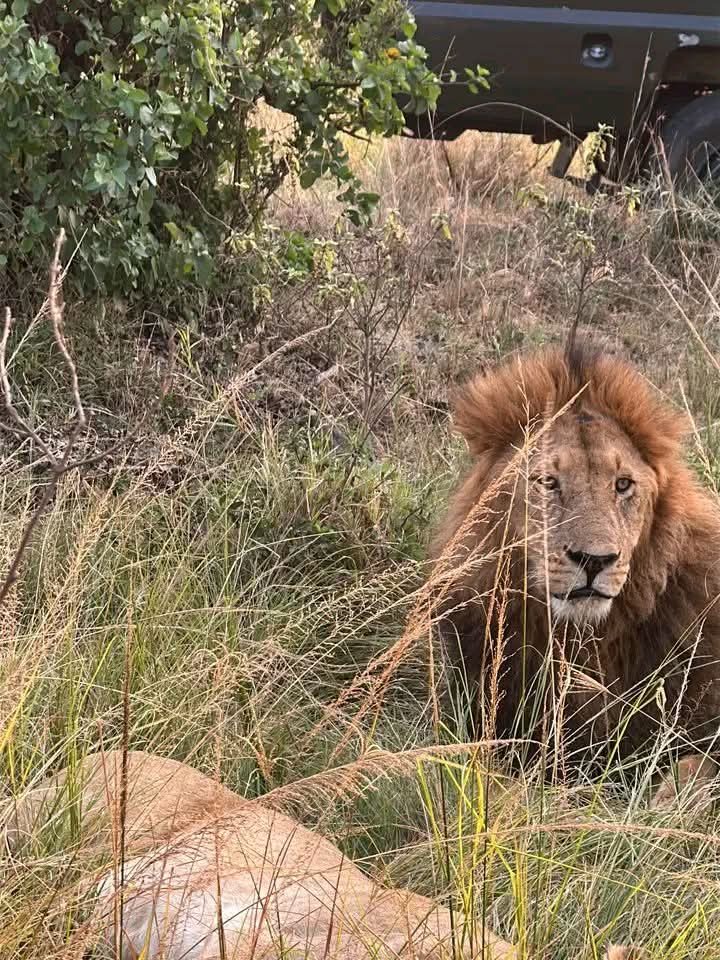 Kenya · July to October
3-Day Masai Mara Fly-in Luxury Safari
Skip the long drive. A 45-minute flight puts you in the Mara for game drives and sundowners, with the option of a sunrise hot-air balloon flight. From $2,880 per person
 Kenya & Tanzania · July to October
10-Day Masai Mara, Serengeti & Ngorongoro
Both sides of the Great Migration in one trip, crossing from Kenya into Tanzania. From $4,500 per person
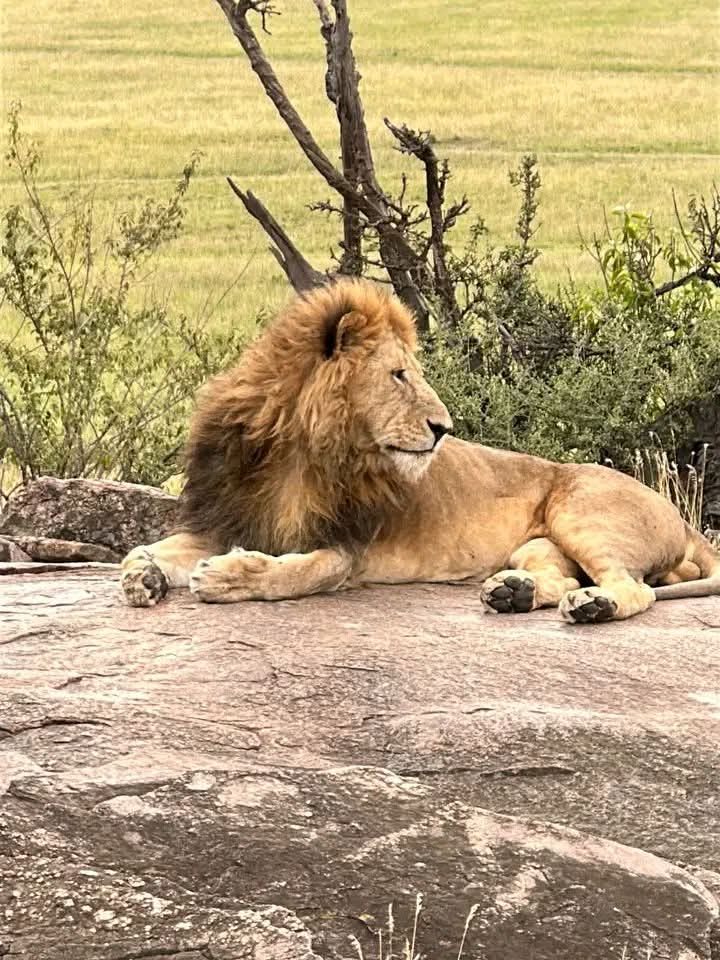 Kenya · July to October
3-Day Masai Mara Escape
The classic short safari. Two nights in a comfortable tented camp and a full day on the Mara plains. From $1,410 per person
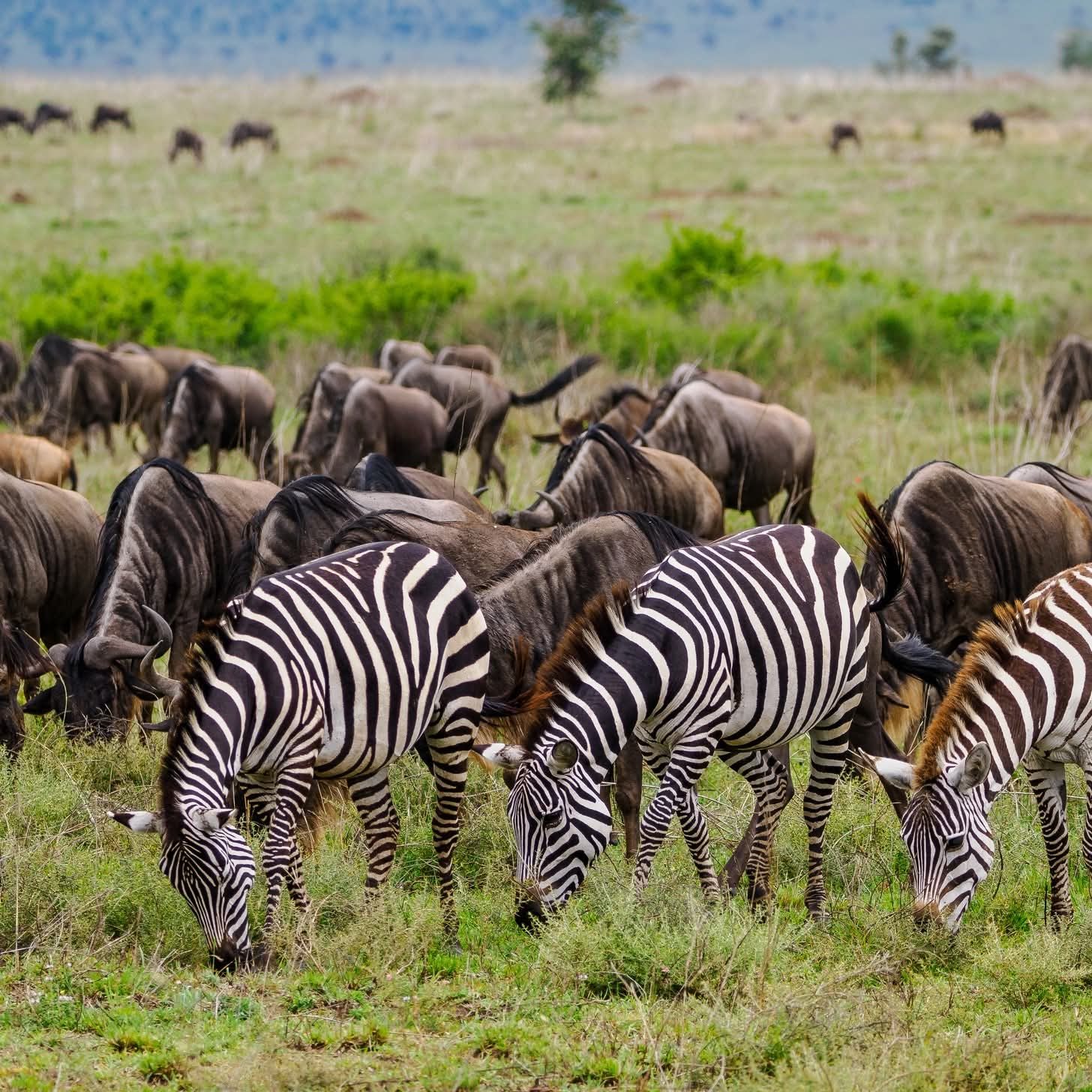 Tanzania · All year
8-Day Great Migration Safari
Follow the wildebeest across the Serengeti, with time in Tarangire and the Ngorongoro Crater. From $3,200 per person
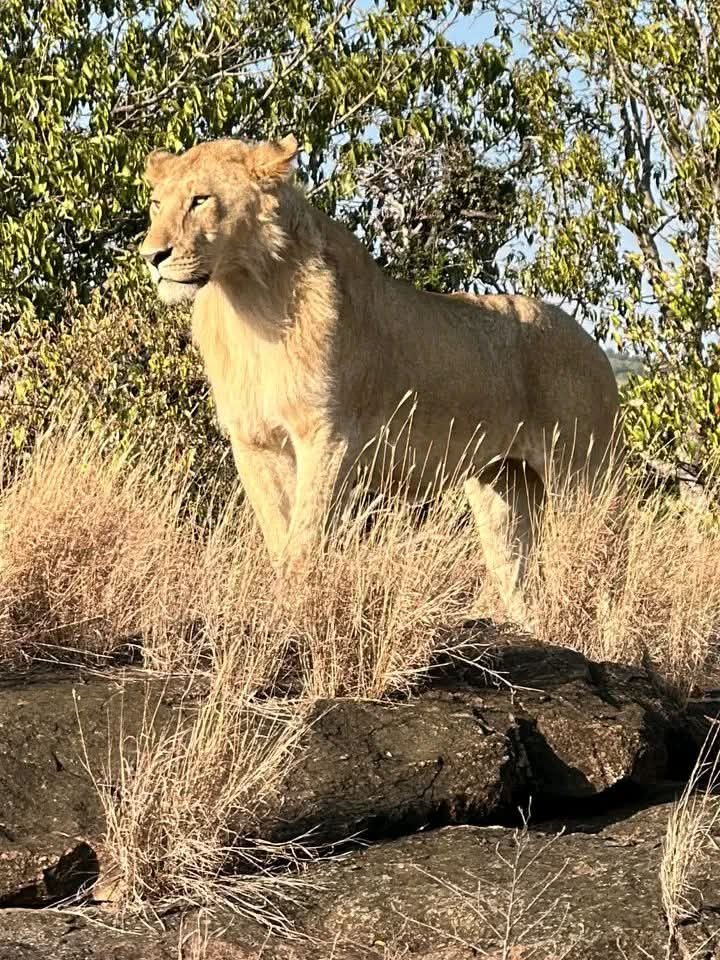 Tanzania · January to March
3-Day Calving Season: Southern Serengeti & Ngorongoro
January to March, thousands of wildebeest calves are born on the Ndutu plains, drawing big cats close. From $1,330 per person
Looking for something different? Every safari can be adjusted to your dates, budget and travel style. See all our Kenya safaris and Tanzania safaris.
Park fees and booking ahead
- Book 9 to 12 months ahead for July to October. The best camps near the Mara River fill first, especially in August.
- Masai Mara park fees are higher in migration season. In 2026, non-resident adults pay US$100 per day from January to June and US$200 per day from July to December. We confirm the 2027 fees and include them in your quote price.
- Travel in June or late October for good wildlife with fewer vehicles. Crossings are less frequent, but the herds are often still nearby.
- Combine with the beach. Finish your safari in Diani, Lamu or Zanzibar.
Questions about the Great Migration
When is the best time to see the Mara River crossings?
River crossings usually happen from around July to October, with August and September often the most active months. The herds cross back and forth many times, but the exact days depend on the rains, so we plan at least three full days in the crossing area to give you the best chance.
Is the Great Migration better in Kenya or Tanzania?
Both are excellent. From July to October, the Masai Mara in Kenya is compact, easy to reach from Nairobi and has many crossing points. The northern Serengeti in Tanzania is quieter but takes longer to reach. Outside these months, the herds are in Tanzania, so a Serengeti safari is the right choice.
How far ahead should I book a migration safari?
For July to October, we recommend booking 9 to 12 months ahead. The best-located camps near the river fill first, especially in August. If your dates are fixed, the sooner you enquire, the more choice you will have.
Can I see the migration from January to March?
Yes. This is the calving season in the southern Serengeti and the Ndutu area of Tanzania, when hundreds of thousands of wildebeest calves are born. It is a quieter, very rewarding time, with excellent big cat sightings.
Is a river crossing guaranteed?
No one can guarantee a crossing, because the herds decide when to cross. An experienced guide, enough days in the right area and patience give you the best chance. Even on days without a crossing, the plains are full of wildlife and predators.
How much does a Great Migration safari cost?
Our Masai Mara safaris start from about US$630 per person for a group joining safari (January to June), and private migration safaris start from around US$1,410 per person. Luxury and fly-in options cost more. Park fees in the Masai Mara are higher from July to December, and we always include them in your quote price.
Planning a 2027 migration safari?
Tell us your dates, group size and budget, and we will send you an itinerary with a clear quote price.